Ear piercing - where, when, how much does it cost?
Where? Ear piercing at Avotu Street 1.
How? Prior appointment required ☎️ 23202626 or info@nelagems.com
How much? Ear piercing costs from 25 EUR. Medical earring included in the price.
Want to learn more about ear piercing? Click here!
Sore ear piercing?
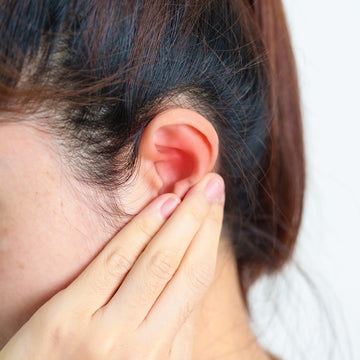
I recently snagged my helix piercing while combing my hair. The next day my ear was very swollen, red, and tender, and it took me a while to realize that the piercing was inflamed, but not infected.
How to properly care for a cartilage piercing, how to distinguish inflammation from infection, and how to distinguish a granuloma from a keloid scar that can form around the piercing site? Let's talk about it in this article!
Ear cartilage piercing
Cartilage piercings are very difficult to heal because the cartilage itself has a poor blood supply. When it is pierced, the body perceives it as an injury and tries to heal the wound as best it can, but in cartilage the body's abilities are limited because the blood supply there does not deliver all the necessary nutrients. The healing process is very individual.
There are clients whose cartilage piercings heal easily and without any problems – they don’t even pay attention and everything is fine. On the other hand, some may have one cartilage piercing that just won’t heal. You can’t change this difference, but you can follow our recommendations to take care of your cartilage piercing properly.
What not to do with ear piercing?
I'll start with one of the most difficult methods - "leave it alone" . In simple terms, this means: when you have a piercing, you should clean it twice a day with sterile saline, but otherwise - leave it completely alone.
❌ Do not touch it with dirty hands or at all
❌ Do not alter, remove, or tug on the piercing
❌ Do not pick or pick at scabs if they form
❌ Do not rub with alcohol, tea tree oil or other solutions or cotton swabs and cotton pads
The piercing should be given time to heal on its own without unnecessary touching and the risk of infection from touching with hands.
Inflammation or infection?
Okay, now – if your piercing is very sore, how do you tell if it's just inflammation or an infection? There's no one right answer, but there are signs that can help you determine.
If the piercing is fresh or you've caught it, it's normal for it to be a little red and a little swollen. But if the swelling is so great that it almost covers the piercing itself, and there's discharge, that's already suspicious.
Clear, watery discharge is a normal part of the healing process. But if the discharge is yellow-green and appears behind or in front of the piercing, it’s a sign that it’s infected. And no matter how much saltwater you rinse at home, it won’t help.
Piercing infection
If there is also redness, discharge, and swollen, painful lymph nodes in the neck – this is another sign. In addition, fever, chills, and a feeling like you have a cold may appear – this is the body's reaction to the infection.
If you have these signs, you should see a doctor. The doctor may take a swab if there is a lot of discharge. Most often, antibiotics are prescribed - if the inflammation is mild, then topical ointments, in more serious cases, also tablets.
⚠️ Very important – if there is an infection, do not remove the piercing yourself ! While the piercing is in place, it has a “channel” through which secretions can flow. If the piercing is removed and the skin overgrows, the infection remains trapped under the skin, which is dangerous.
Piercing inflammation
Now about inflammation. An irritated piercing may just be red, a little itchy, with a little clear fluid. It is often caused by a metal allergy – for example, nickel. Then there is no pus, no fever, no swollen nodes – just itching and discomfort. Therefore, you should choose surgical steel or titanium for piercings – they do not cause allergies.
About jewelry: For your first cartilage piercing, it's better to choose a barbell with a longer length. This allows the ear to swell while it heals.
Granuloma and keloid scar tissue
Granuloma – A pink, soft growth at the piercing site, usually from irritation or mismatched metal. It often appears soon after piercing and may ooze clear fluid.
Keloid – a flesh-colored growth that appears later (around 3 months or later), does not secrete fluid, and gets larger over time. If you have had keloids on wounds in the past, you are more likely to develop one from a piercing.
Granuloma can be treated by:
-
chamomile tea compresses (moisten a tea bag with warm water and place it on the ear),
-
warm salt water compresses with a cotton pad,
-
a mild steroid cream (such as 1% hydrocortisone cream for a few weeks).
❌ But under no circumstances should you use alcohol, hydrogen peroxide, tea tree oil, or similar solutions – they will only irritate it even more.
Important advice – do not sleep on the ear that has a piercing. We recommend using a travel pillow with a hole – this way there is room for the ear and the piercing is not touched while sleeping. It is a real lifesaver.
That's all! We hope this article helped you understand how to distinguish infection from inflammation and how to care for piercings. If it was useful – share it with your friends so they know too.